
 NEW:
NEW: 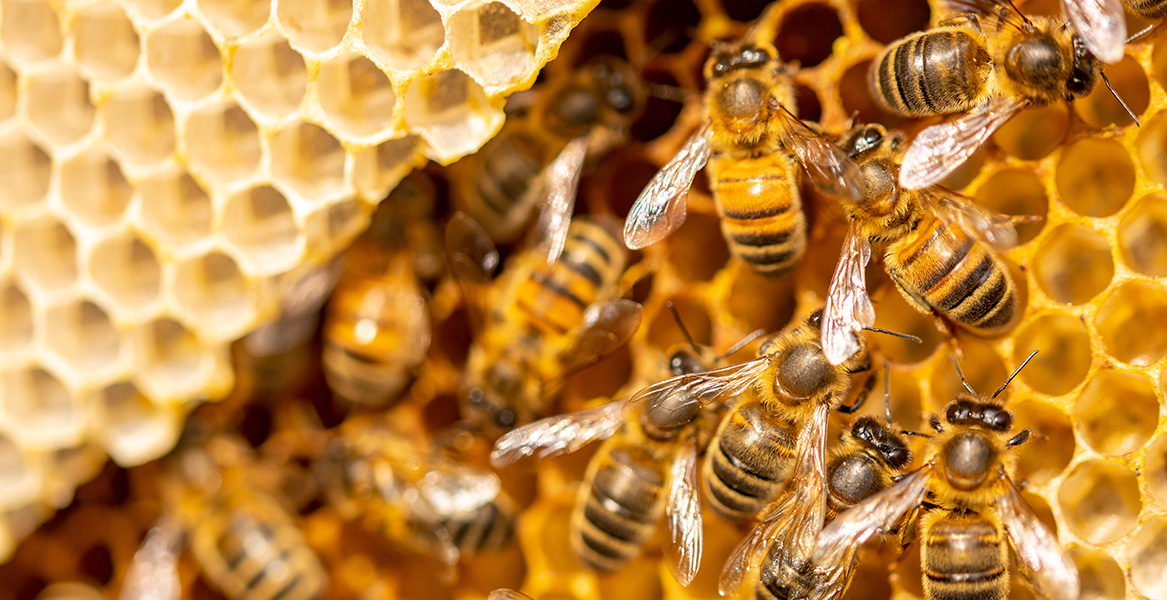
Bumble Bees vs. Honey Bees: What’s the Difference?
Although both are pollinators, bumble bees and honey bees differ significantly in behaviour, nesting habits, and risk profiles.
Appearance and Size
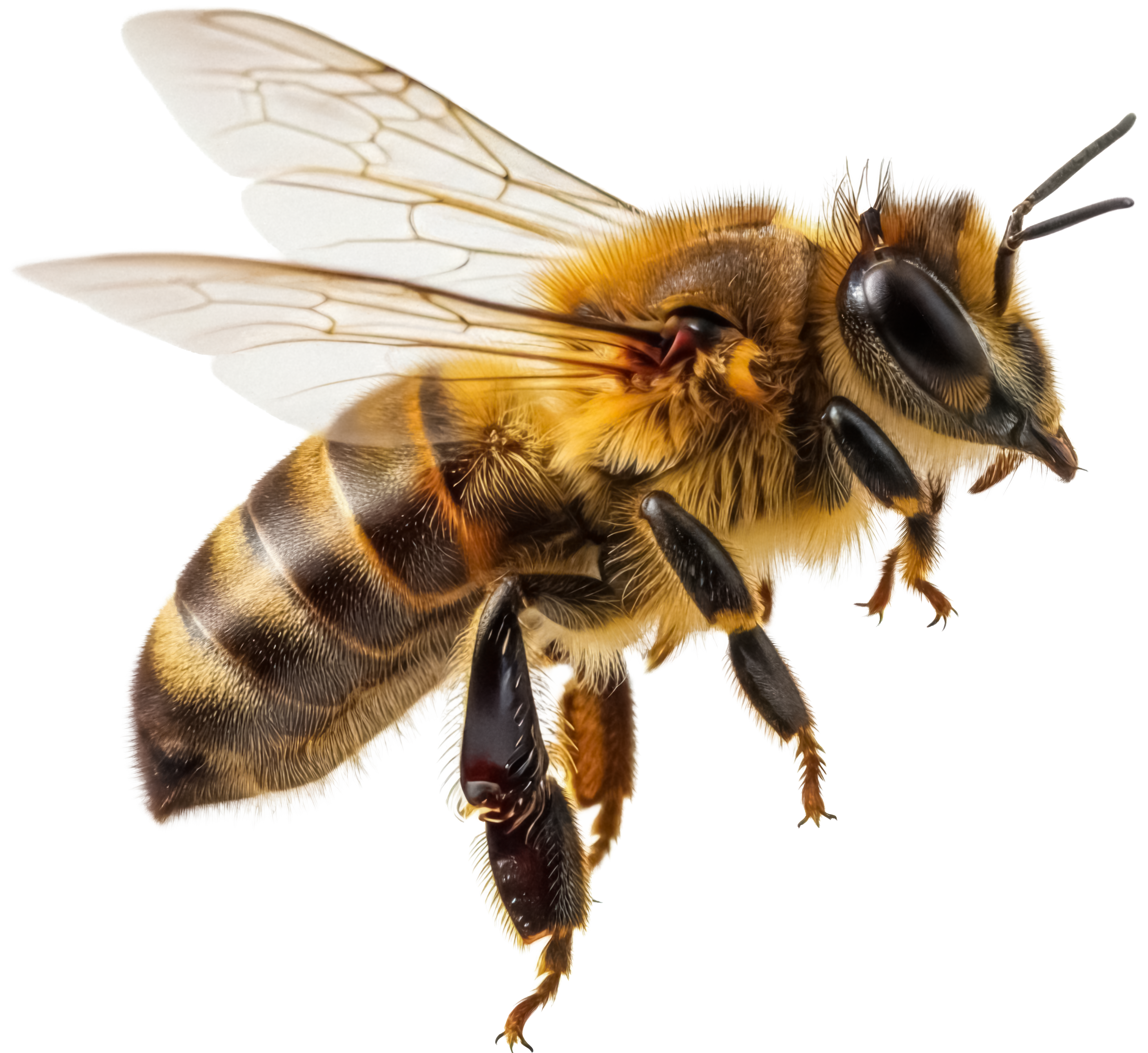
• Bumble Bees are larger, rounder, and appear “fuzzy,” with dense hair covering their bodies.
• Honey Bees are smaller, more slender, and less hairy, with a more streamlined appearance.
Colony Size and Structure
• Bumble Bees live in smaller colonies, typically ranging from 50 to a few hundred individuals.
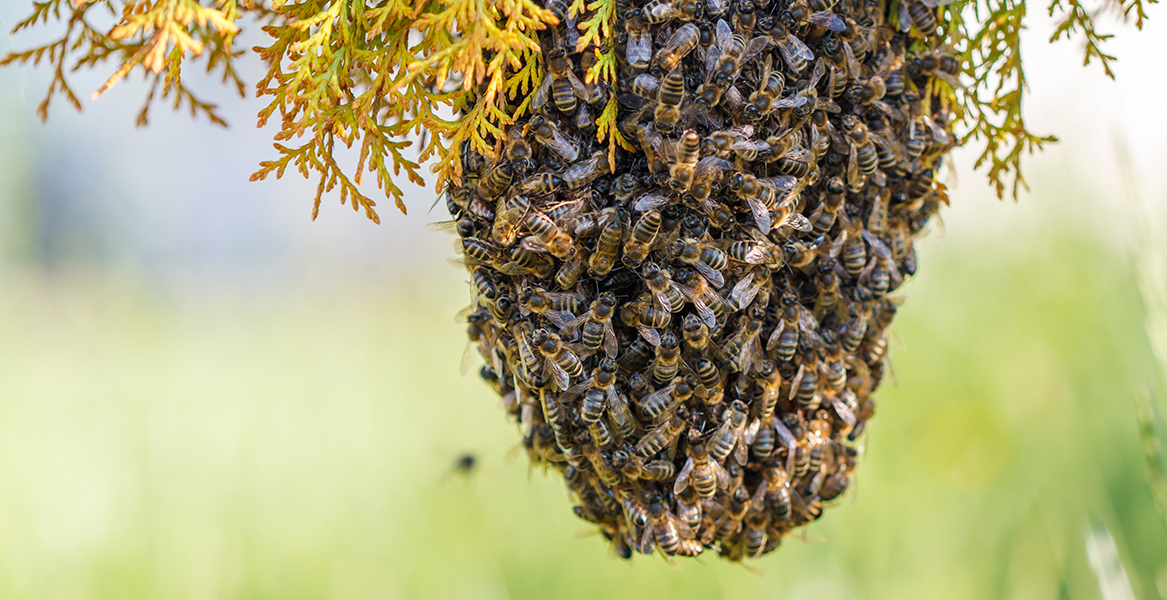
• Honey Bees form large, highly organised colonies that can contain tens of thousands of bees.
This difference is critical in commercial environments, where honey bee infestations can scale rapidly and cause significant structural and operational issues.
Nesting Behaviour
• Bumble Bees prefer to nest in the ground, wall voids, insulation, or sheltered outdoor spaces such as landscaping and utility boxes.
• Honey Bees build wax comb hives, often inside wall cavities, roof voids, or chimneys.
Honey bee hives can grow extensively within structures, leading to honey accumulation, staining, and secondary pest issues.
Temperament and Risk
• Bumble Bees are generally less aggressive and will sting primarily when provoked.
• Honey Bees can become defensive when their hive is threatened, particularly in high-traffic commercial areas.
In both cases, the presence of bees near entrances, loading areas, or customer-facing zones presents a liability risk.
Legal and Environmental Considerations
In many regions, honey bees are protected due to their ecological importance.
• Relocation is often required instead of extermination
• Pest control actions may be subject to environmental regulations
Businesses must ensure any intervention complies with local laws and sustainability policies.
Industry-Specific Risks for Commercial Facilities
Hospitality and Customer-Facing Businesses
• Outdoor seating areas, entrances, and signage attract nesting activity
• Increased risk of customer complaints or incidents
• Brand and reputation impact from visible infestations
Warehousing and Logistics
• Loading bays and rooflines provide ideal nesting points
• High ceilings and voids allow undetected hive growth
• Operational disruption if areas must be closed for removal
Retail and Multi-Tenant Properties
• Shared infrastructure allows bees to enter multiple units
• Signage, awnings, and façade gaps create nesting opportunities
• Property managers must coordinate responses across tenants
Food Production and Handling Facilities
• Strict hygiene and audit requirements
• Risk of contamination or audit failure
• Need for documented pest management procedures
Healthcare and Sensitive Environments
• Zero tolerance for stinging insects near patient areas
• High liability and safety requirements
• Need for discreet and compliant removal methods
Why Reactive Bee Control Falls Short
Simply removing visible bees does not solve the underlying issue. Without proper proofing:
• New colonies may establish in the same location
• Residual hive materials can attract other pests
• Structural voids remain vulnerable
In the case of honey bees, improper removal can also result in honey leakage, structural damage, and recurring infestations.
Expert Bee-Proofing Methods for Commercial Properties
Effective bee management combines safe removal, exclusion, and ongoing prevention aligned with commercial standards.
1. Professional Identification and Assessment
Correctly identifying the species is critical.
• Determines whether relocation or removal is required
• Informs risk level and response strategy
• Supports compliance with environmental regulations
2. Safe Removal or Relocation
• Honey bees are typically relocated by licensed specialists or beekeepers
• Bumble bee nests may be removed or allowed to naturally decline depending on risk level
All work should follow local regulations and environmental best practices.
3. Structural Exclusion and Sealing
After removal, all entry points must be sealed using durable materials:
• Metal mesh for vents and openings
• Sealants for cracks and expansion joints
• Repairs to cladding, roofing, and façade gaps
This prevents re-entry and future colony establishment.
4. Void Treatment and Clean-Out (Honey Bees)
For honey bee infestations inside structures:
• Removal of honeycomb and residue
• Cleaning to prevent fermentation and odour
• Prevention of secondary pest attraction (e.g., rodents, insects)
This step is essential to avoid recurring problems.
5. Roofline, Signage, and Façade Proofing
Common nesting hotspots include:
• Signage and illuminated boards
• Roof voids and soffits
• HVAC units and utility penetrations
Reinforcement and sealing of these areas is critical in commercial environments.
6. Habitat and Attractant Management
• Reduce flowering plants near entrances where appropriate
• Manage waste and sugary residues
• Maintain landscaping to reduce sheltered nesting areas
7. Monitoring and Preventative Maintenance
Ongoing inspections should be integrated into facility management routines:
• Seasonal inspections during spring and summer
• Monitoring high-risk areas
• Documentation for audit and compliance purposes
Compliance and Integrated Pest Management (IPM)
For commercial facilities, bee management should form part of a broader Integrated Pest Management (IPM) program.
Key components include:
• Documented inspections and actions
• Risk assessments and corrective measures
•Environmentally responsible control methods
• Alignment with health, safety, and audit standards
This ensures businesses remain compliant while minimising environmental impact.
Final Thoughts for Businesses
Bumble bees and honey bees may appear similar, but their differences have important implications for commercial pest management. From legal protections to nesting behavior and risk levels, correct identification is essential.
For businesses, the goal is not just removal — but prevention, compliance, and long-term risk reduction. Professional bee-proofing ensures that facilities remain safe, operational, and aligned with regulatory expectations while respecting the important ecological role bees play.
Protect Your Business with Professional Bee Management
If you’re seeing bee activity around your premises — or want to prevent issues before they start — now is the time to act. Early intervention reduces risk, protects your staff and customers, and helps ensure you remain audit-ready and compliant.
Our commercial bee management services include:
• Site-specific risk assessments and species identification
• Safe, compliant honey bee relocation and nest removal
• Full structural proofing and exclusion works
• Documentation to support audits, inspections, and IPM programs
• Ongoing monitoring and preventative maintenance plans
Book a professional site survey today to safeguard your facility, maintain compliance, and prevent costly disruptions.