
 NEW:
NEW: 
Rodents are among the most persistent and high-risk pests affecting commercial and industrial environments. From food processing plants and healthcare facilities to warehouses, retail centers, and hospitality venues, rats and mice create serious operational, regulatory, and reputational risks.
Although they are often grouped together, rats and mice differ significantly in behavior, biology, and the way infestations must be managed. Correct identification — and a compliance-driven proofing strategy — is essential for protecting facilities, passing audits, and maintaining uninterrupted operations.
The Difference Between Rats and Mice
Understanding the distinction between rats and mice allows businesses to implement targeted, effective rodent-proofing programs.
Size and Appearance
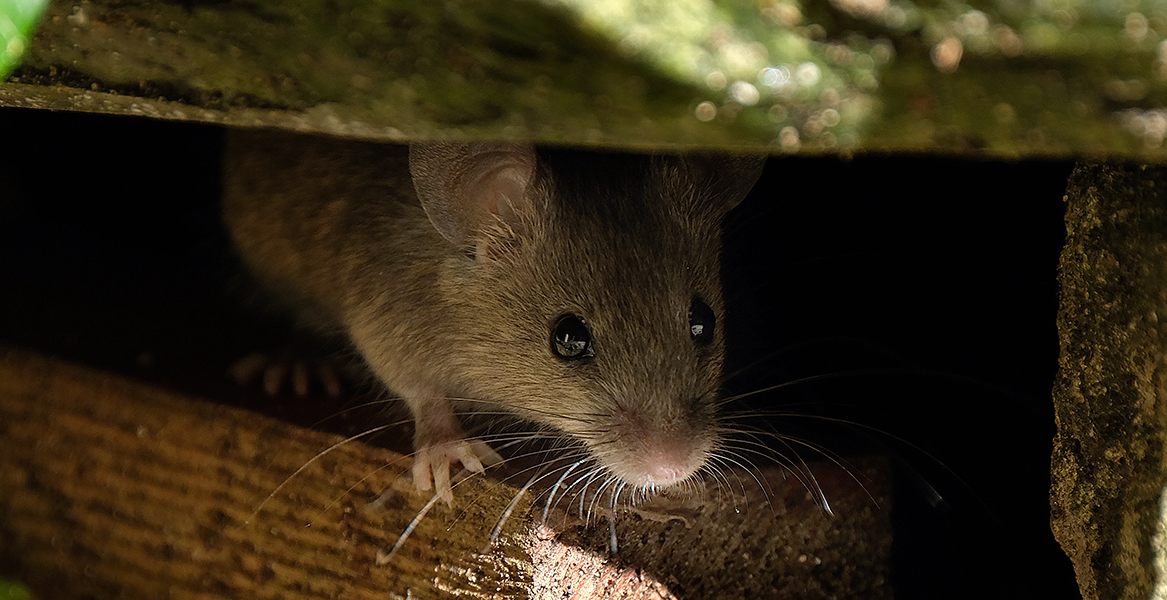
Rats are larger and more robust, typically 7–10 inches long (excluding the tail). They have blunt noses, thick bodies, and strong jaws capable of causing structural damage. Mice are much smaller, usually 2–4 inches long, with pointed noses, large ears, and slender bodies. In commercial settings, rats are often associated with exterior damage and burrowing, while mice commonly establish hidden indoor infestations.
Behavior and Risk Profile
Rats are cautious and intelligent, often avoiding new objects or traps. Once established, they are difficult to eliminate without professional intervention. Mice are curious and reproduce rapidly, allowing populations to spread quickly through wall voids, ceilings, and equipment. These behavioral differences influence inspection methods, monitoring placement, and proofing priorities.
Nesting Locations
Rats typically nest outdoors in burrows, loading dock voids, crawlspaces, or landscaped areas, entering facilities for food and shelter. Mice frequently nest indoors — in wall cavities, drop ceilings, cabinets, equipment housings, and storage areas.
Entry Capabilities
Rats can enter through openings as small as a 10p coin. Mice can squeeze through gaps the size of a 5p coin or smaller. This makes micro-exclusion a critical component of any commercial rodent-proofing program.
Health, Safety, and Compliance Risks
Both rats and mice present serious risks, including:
- Contamination of food products and packaging
- Damage to wiring and equipment (fire and downtime risk)
- Disease transmission
For regulated industries, even minimal rodent activity can result in failed audits, fines, or facility shutdowns.
Industry-Specific Risks and Compliance Considerations
Rodent management expectations vary by industry, but all commercial environments require proactive, documented control aligned with regulatory and audit standards.
Food facilities face zero-tolerance standards for rodents. Rodent proofing must support audit readiness through permanent exclusion, routine inspections, and a fully documented Pest Management programme. In hospitality, rodent activity quickly impacts guest safety and brand reputation. Effective proofing prioritizes kitchens, waste areas, service corridors, and delivery points to prevent sightings and complaints.
Large-scale Logistics, Warehousing, and Distribution facilities are particularly vulnerable. Rodent-proofing strategies must address dock seals, door management, structural exclusion, and ongoing monitoring aligned with corporate audit programmes.
Retail environments face shared-risk challenges. Successful rodent proofing requires coordinated, property-wide exclusion supported by clear inspection records and service documentation.
Healthcare and Medical Facilities settings demand the highest level of pest prevention. Rodent proofing must be discreet, proactive, and meticulously documented to support inspections and patient safety.
Why Reactive Rodent Control Fails in Commercial Settings
Many businesses rely on traps or baiting alone. While these tools may reduce activity temporarily, they do not address the root causes of infestations. Common failures include:
- Ignoring structural entry points
- Using chewable or temporary sealing materials
- Lack of documentation for audits
- Failure to integrate control efforts into an IPM framework
Without permanent exclusion and monitoring, rodents inevitably return.
Expert Rodent-Proofing Methods for Businesses
Professional rodent proofing focuses on exclusion, compliance, and long-term risk reduction — not just elimination.
1. Comprehensive Inspection and Documentation
Professionals conduct detailed inspections of:
- Foundations, walls, and expansion joints
- Rooflines, vents, and utility penetrations
- Loading docks, roll-up doors, and service entrances
- Interior voids, mechanical rooms, and ceiling spaces
All findings are documented to support audits, inspections, and corrective action reports.
2. Permanent Sealing with Rodent-Resistant Materials
Commercial-grade proofing uses materials rodents cannot compromise:
- Galvanized steel and hardware cloth
- Metal flashing and kick plates
- Cement-based fillers and mortars
- Heavy-gauge vent and roof covers
This level of exclusion is essential for regulated and audit-driven facilities.
3. Door, Dock, and Perimeter Protection
- Metal door sweeps and dock seals
- Reinforced thresholds and wall-floor junctions
- Secured service and utility entrances
Loading bays and storage areas remain the most common access points for both rats and mice.
4. Roof, Vent, and Utility Reinforcement
- Rodent-proof vent covers
- Secured exhaust and chimney caps
- Reinforced attic and roof penetrations
These measures reduce repeat findings during inspections.
5. Habitat Modification and Sanitation Support
Rodent proofing works best when paired with operational controls:
- Improved waste handling and dumpster management
- Reduced clutter and excess storage
- Vegetation and landscape management
- Moisture and drainage corrections
These steps are core principles of effective Pest Management programmes.
6. Monitoring, Reporting, and Ongoing Pest Management
After exclusion, professionals implement:
- Strategic trapping and monitoring stations
- Activity trending and reporting
- Scheduled follow-up inspections
Ongoing monitoring supports compliance, audit readiness, and long-term facility protection.
Final Thoughts for Facility Managers and Business Owners
Rats and mice present different risks, but both require a proactive, compliance-focused approach in commercial environments. Correct identification, permanent exclusion, and documented IPM strategies are essential for protecting operations, maintaining regulatory compliance, and safeguarding brand reputation.
Expert rodent proofing is not a one-time fix — it is a long-term investment in facility integrity, audit success, and operational continuity.